
As the demand for renewable energy continues to rise, solar battery have become an essential component for homeowners looking to maximize their solar energy investments. These systems allow you to store excess energy generated by your solar panels during the day for use during the evening or on cloudy days. By harnessing this stored energy, you can reduce reliance on the grid, lower electricity bills, and increase your energy independence.
In this guide, we will explore the key factors to consider when choosing a solar battery storage system to help you make an informed decision and optimize your solar energy usage.
When choosing a solar battery storage system, consider the following factors:
-
Battery Capacity:
-
Definition
Measured in kilowatt-hours (kWh), it indicates how much energy the battery can store.
-
Consideration:
Match the capacity to your household’s energy consumption needs.
-
Depth of Discharge (DoD):
-
Definition:
The percentage of the battery that can be used before it needs recharging.
-
Consideration:
A higher DoD means more usable energy, enhancing efficiency.
-
Cycle Life:
-
Definition:
The number of charge and discharge cycles a battery can undergo before its capacity significantly degrades.
-
Consideration:
Look for batteries with a longer cycle life for better longevity.
-
Efficiency:
-
Definition:
The ratio of energy output to energy input during charging and discharging.
-
Consideration:
Higher efficiency means less energy loss; aim for systems with 85% or higher.
-
Chemistry Type:
Common Types:
-
Lithium-Ion:
Higher efficiency, longer lifespan, but more expensive.
-
Lead-Acid:
Lower cost, shorter lifespan, and lower efficiency.
Consideration: Choose based on budget and performance needs.
-
Installation Space:
-
Consideration:
Assess available space for installation. Some batteries require more room than others.
-
Modularity:
-
Definition:
The ability to expand the system by adding more batteries in the future.
-
Consideration:
Opt for modular systems if you anticipate changing energy needs.
-
Warranty and Support:
-
Consideration:
Check the warranty period and customer support offered by the manufacturer. Longer warranties often indicate confidence in product quality.
-
Cost:
-
Consideration:
Evaluate both upfront costs and long-term savings. Consider total cost of ownership including installation and maintenance.
-
Compatibility with Solar System:
Consideration: Ensure the battery system is compatible with your existing solar setup, including inverters and other components.
-
Regulatory and Incentive Programs:
-
Consideration:
Research local regulations and available incentives or rebates for solar battery installations to reduce costs.
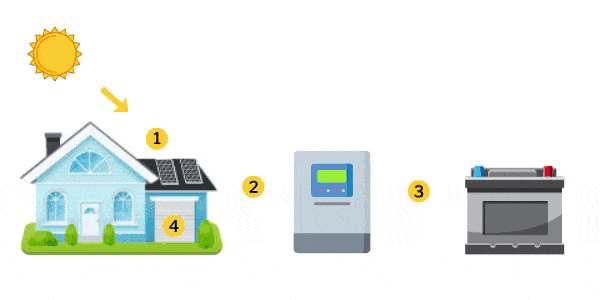
Solar battery storage systems help reduce reliance on the grid in several key ways:
-
Energy Storage:
- Excess Energy Capture: Solar panels generate electricity during the day, often producing more energy than a household consumes. Battery storage systems capture this excess energy for later use.
- Nighttime Usage: Stored energy can be used during the night or on cloudy days when solar generation is low, minimizing the need to draw power from the grid.
-
Peak Shaving:
- Reducing Peak Demand: By using stored energy during peak demand hours—when electricity rates are highest—homeowners can avoid costly peak pricing and reduce overall electricity costs.
- Cost Savings: This practice not only lowers bills but also alleviates stress on the grid during high-demand periods.
-
Emergency Backup Power:
- Power Outages: In the event of a power outage, solar battery systems can provide backup power, ensuring that essential appliances and systems remain operational without relying on the grid.
- Increased Resilience: This capability enhances energy security and reliability for homeowners.
-
Grid Independence:
- Self-Sufficiency: By maximizing the use of solar energy and minimizing grid dependence, homeowners can achieve greater energy independence.
- Sustainability: This shift contributes to a more sustainable energy future by reducing overall demand on fossil fuel-based energy sources.
-
Time-of-Use Optimization:
- Smart Energy Management: Many solar battery systems come with smart technology that allows users to optimize energy usage based on time-of-use rates, storing energy when rates are low and using it when rates are high.
- Enhanced Efficiency: This strategic management helps further reduce reliance on grid power.
Conclusion:
Solar battery storage systems represent a significant advancement in energy management, enabling homeowners to maximize the benefits of their solar energy investments. By storing excess energy generated during the day, these systems reduce reliance on the grid, provide backup power during outages, and optimize energy usage for cost savings.
As energy prices continue to fluctuate and the demand for sustainable solutions grows, investing in solar battery storage not only enhances energy independence but also contributes to a more resilient and environmentally friendly energy future. By carefully considering factors such as capacity, efficiency, and compatibility, homeowners can choose the right system to meet their unique energy needs, ensuring a reliable and sustainable energy supply for years to come.
For Consultation click Here.
For Contact details Click Here.
70 Ways Solar Services Overview Click Here.